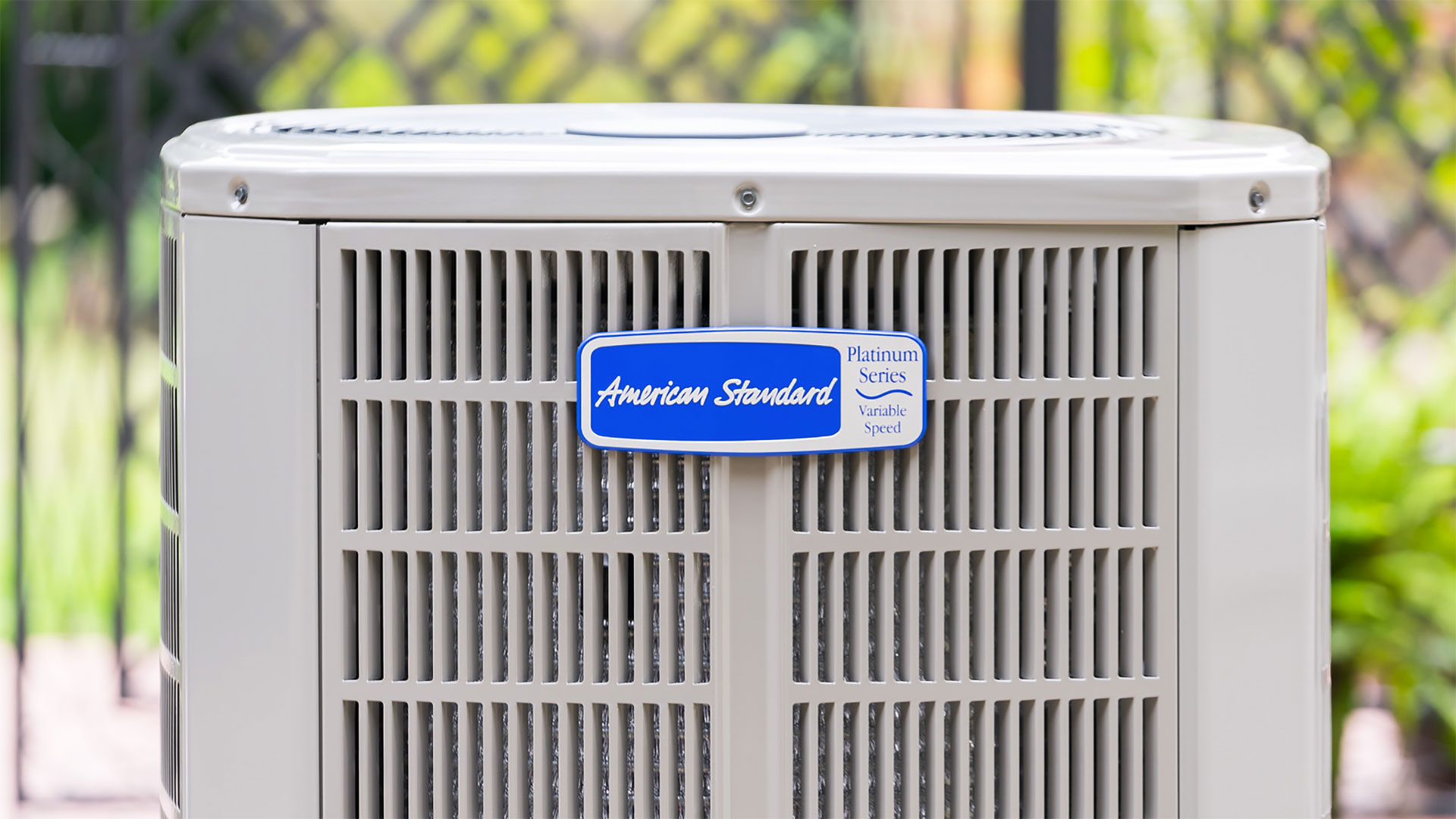
Summer is perfect for enjoying time with friends and family outdoors. However, it’s important to remember essential HVAC maintenance to prevent air conditioning breakdowns and stay comfortable indoors.
Your heating, ventilation, and air conditioning system (HVAC system) should undergo frequent HVAC maintenance for energy efficiency, air quality, and lower utility bills.
If summertime is approaching and you haven’t thought about your HVAC system since last summer, it’s time for a tune-up. AC unit maintenance is still necessary if you live in places with comfortable summertime temps, like San Francisco or Denver. HVAC technicians recommend homeowners schedule a service appointment or devote a few hours each summer to performing HVAC system tasks.
In this article, I’ll review four regular maintenance chores you need to perform to keep your air conditioning in peak condition for the summer months.

1. Change Your Air Filter
Your air filter is among the most important components of your entire HVAC system because it traps the junk in the air — the dirt, the pet dander, the pollen, etc. — and prevents it from recirculating and covering your home in dust. Your air filter helps improve the air quality of your cooling system.
Unfortunately, that means over time, all that junk caught by the air filter makes it harder for your HVAC unit to suck in air, meaning the AC system has to work harder to achieve the same result.
This extra effort will increase your already high summer energy bill, and it could result in damage to your HVAC unit over time. Changing your air filter can help to reduce energy costs.
Change your air conditioning unit’s air filter as part of your routine maintenance plan. The frequency with which you change your air filter depends largely on you and your living conditions.
If you live alone (no roommates or pets) and rarely suffer from allergies, you can get away with changing the air filter annually or every six months.
If there are a few occupants in your home but you don’t have pets, 90 days is a good rule.
If you have one dog or cat and no allergy issues, you should swap your air filter every two months.
If you suffer significantly from allergies or have more than one pet, you need a new air filter about every 20 days for preventative maintenance.
If you fall into one of the latter categories, it might be wise to invest in a reusable air filter.
Instead of throwing these air filters away and replacing them with something new, you merely take out the air filter and rinse it clean with water.
These can be expensive, but they last a lifetime, meaning they are a more economical investment in the long run, providing greater energy savings and indoor air quality.
2. Keep Your Vents Clear
If dirt and hair are interfering with your HVAC unit’s efficiency, so will larger obstructions.
While air vents aren’t the most attractive features of your home, you shouldn’t move furniture or use fabric to try to cover them up. Doing so will cause cool air to get trapped, and it might even prevent airflow into certain rooms.
If you aren’t sure where your air vents are, look for them near the ceiling or on the floors.
Then, rearrange your rooms to make sure the vent can blow air powerfully enough to affect the thermostat settings.
Be sure the area around your air conditioner unit is clean and clear.
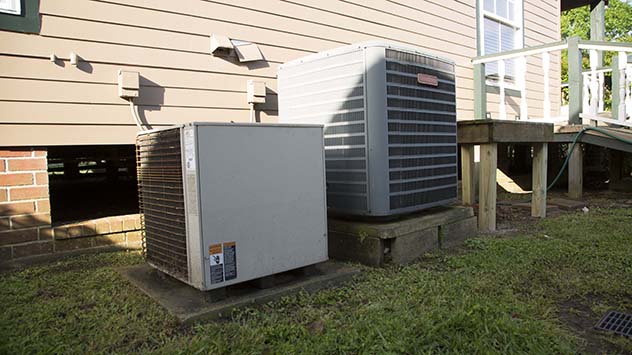
3. Clean Around Your Unit
Dirty air filters are not the only thing that doesn’t mix well with your HVAC system. In addition to keeping your air filter free and clear, you should work to keep the AC unit itself clean of detritus, which can gather throughout the year, especially if you have an outdoor unit.
Make it a habit to clean around your AC unit on a seasonal basis to make sure things like dirt and dead leaves don’t get sucked into your HVAC system and cause problems.
You can also hose off your unit — if you power off the unit first and are careful to spray only the condenser coils and fins. For homeowners in places like Phoenix or Denver, where units might be located out of a hose’s reach, it’s more convenient to hire heating and cooling contractors to deep-clean the unit annually.

4. Avoid Using Hot Appliances
In the summer, you are paying steep energy bills to make sure the inside of your home is cool and dry — so why would you use an appliance to make it hot and humid?
For the duration of warm weather, avoid using tools like ovens or stoves — choose outdoor cooking like grilling instead.
Additionally, you should reduce the temperature of your shower and try to cut down on your washing time to prevent steam from building up inside your home.
It might be hard to make these changes initially, but eventually, you’ll get used to shifting your habits based on the season.
Proper maintenance of your air conditioning system is essential for a comfortable and energy-efficient summer. By remaining proactive, your HVAC system operates at peak performance throughout the warmer months. Enjoy a comfortable home all summer long by following these four HVAC maintenance steps.