


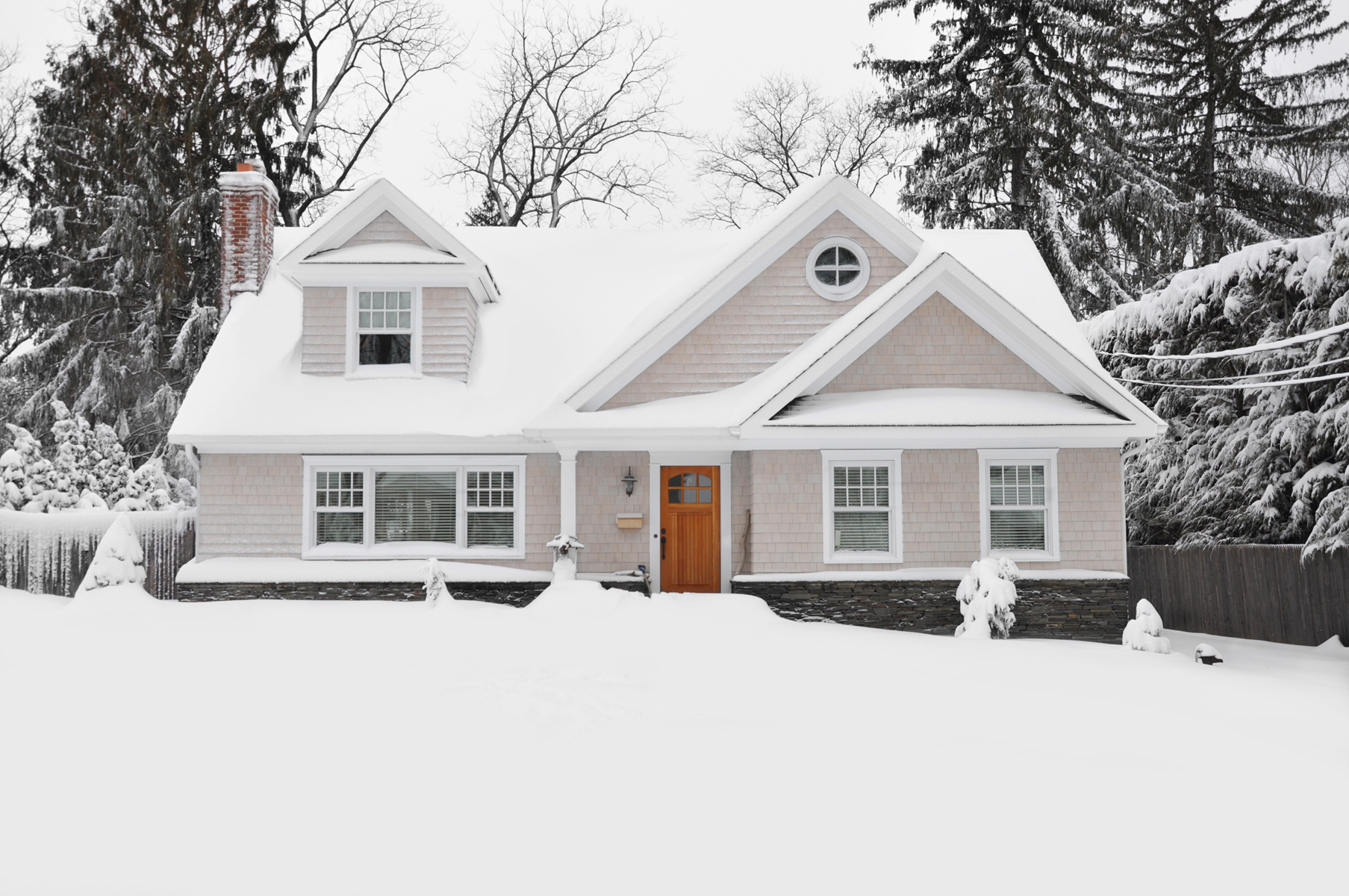
As the seasons shift from summer to fall, it’s time to prepare for cold weather emergencies. Winter storms can occur from early autumn to late spring depending on the region. When there are strong winds, snow, and rainfall, power outages are a common occurrence.
Here’s what you’ll need to build your emergency winter power outage survival kit and how to prepare for inclement weather.
Emergency Winter Power Outage Kit
Food/water for each household member for 3-5 days
Solar, car, or hand-crank cell phone charger
Battery-operated radio
Flashlights with new batteries
Blankets and warm clothes
Carbon monoxide detector(s)
Fire extinguisher
Prescription and OTC meds
Games and books
Steps To Take To Protect Your Home
1. Know Your Home
Before all else, know your home inside and out. Many home emergencies can be neutralized with quick action.
Know how to shut off water and gas valves to prevent frozen pipes from bursting. Familiarize yourself with which circuit breakers correspond to which rooms and appliances. Document this information and share it with family members so everyone is on the same page.
2. Make a Family Communication Plan
Your family may not be together when the power goes out, so it’s important to know how to contact each other, how you’ll get back together, and what you’ll do in case of an emergency. Discussing different scenarios before you’re under the stress of an actual emergency will help you plan properly.

3. Report All Special Healthcare Equipment
Notify your power company if you use special healthcare equipment that requires electricity (e.g. an oxygen generator or dialysis machine). Most power companies can note this in their records and will prioritize the response to your home. You should also organize alternate arrangements for emergency healthcare in case power is out for an extended period.
Keep a three-day supply of prescriptions and common over-the-counter medications in case you aren’t able to leave the house.
4. Make Sure Your Carbon Monoxide Detector Works
Make sure you have a functioning carbon monoxide detector near all sleeping areas (if you have bedrooms on multiple floors, you’ll need one for each floor).
The chance of carbon monoxide poisoning increases during a power outage. A study conducted at Hartford Hospital shows that the majority of carbon monoxide exposures occur during the first day following snowstorms and the second and third days after a power outage.
The buildup of this odorless gas is often caused by alternate power sources like charcoal grills, camping stoves, or generators, which many rely on if the power goes out.
5. Stay Well Fed
Don’t leave your grocery shopping for the day of the storm. Stock up on a decent supply of nonperishable foods and snacks and supply a gallon of water for each family member per day that you expect to be home without power. In most areas, three to five days is a safe number to plan for.
Don’t open your refrigerator or freezer any more than necessary during the power outage. An unopened fridge can keep food cold for four hours, and an unopened freezer can keep food frozen for up to 24 hours. You can supplement by putting frozen water bottles throughout your fridge and freezer to help keep your food cold. Be sure to throw away any food that becomes warmer than 41°F (you can check this with a standard food thermometer).
6. Stay Connected
Make sure that everyone in your family has a fully charged cell phone at all times. Turn off your phone when it’s not in use and avoid using your phone for entertainment (games, browsing Facebook, etc.) so you can save battery. Purchase an emergency charging option like a car, solar, or hand-crank charger.
If you use a landline, have at least one corded phone. Many cordless phones won’t work during a power outage and will eventually run out of battery.
It’s also a good idea to have a battery-operated, solar, or hand-crank radio to stay updated on weather news. Test your radio at least once a year and when you know of an impending storm, ensure it’s in good working condition.
Keep your car’s gas tank at least half full and know how to operate the manual release lever of your electric garage door opener in case you need to make a quick escape.
7. Stay Lit
Have flashlights available in multiple, easily accessible locations throughout the house and keep a fresh supply of batteries on hand.
Avoid using candles as an alternative source of light, as they’re a fire hazard.
8. Stay Warm
Fireplaces, kerosene space heaters, and wood-burning stoves serve as great heat source alternatives. Make sure whatever you use is clean and operational. Test your kerosene heater before the storm and have your chimney cleaned and inspected your every year. If you plan to use a wood-burning stove or fireplace, store dry wood during the winter months. Keep all heat sources at least three feet away from furniture and drapes.

- Keep a fire extinguisher on hand and make sure everyone in the house knows how to use it.
- If your budget allows, buy a portable generator. Learn how to safely use the generator and test it monthly. Remember to store enough fuel to run the generator for a week.
- Insulate your home by installing storm windows or by covering single-pane windows with plastic from the inside. Weather stripping around your doors and window sills can also help to keep warm air in.
- Keep extra blankets, sleeping bags, and sweaters nearby so you can bundle up if needed.
9. Stay Entertained
Gather a supply of books, magazines, games, and playing cards to stay entertained during the power outage. Don’t count on using a cell phone for entertainment, which will quickly drain valuable battery life. Having other options on hand will help alleviate stress and mollify boredom.
10. Stay Indoors
Once the storm hits, stay indoors and bring pets inside. Unplug all sensitive electronic devices, like computers and printers, as soon as the power cuts. When the power comes back on, there may be power spikes that can damage your devices.
Remember to be a good neighbor—check on relatives, friends, and neighbors, especially if they are elderly, disabled, or live alone.


