


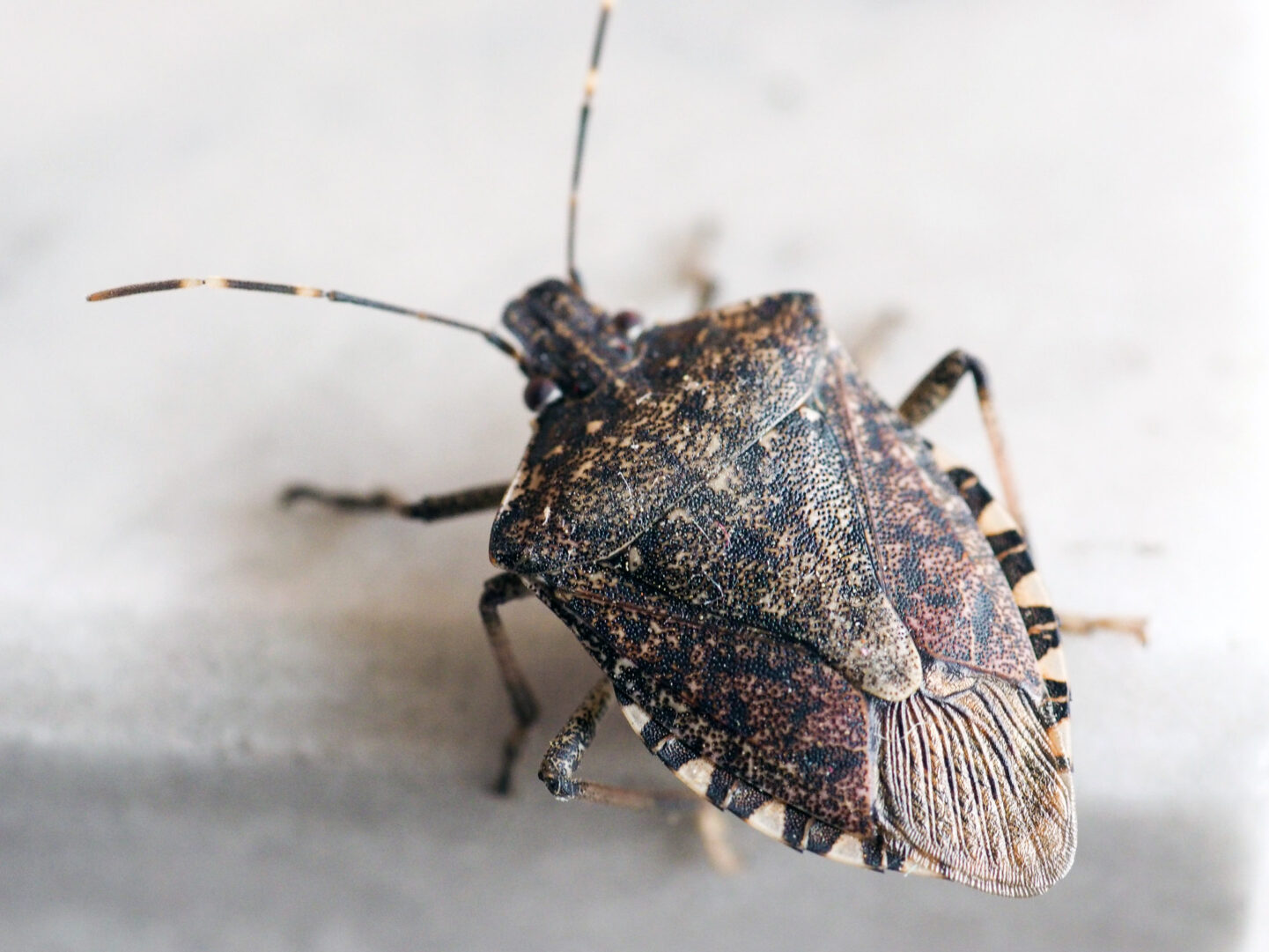
If you’ve ever smelled the foul odor of a stink bug, you know what a nuisance these insects can be. Stink bugs are not a single species, but a whole group of bugs in the family Pentatomidae. They get their name from the chemicals they release when they feel threatened, which smells horrible.
But are stink bugs dangerous?
The good news is that these smelly insects pose no real harm to you or your home. They’re just inconvenient and in some people’s eyes, gross!
Let’s take a look at all of the ways that a stink bug could be dangerous in order to address why they will cause you no harm.
Do Stink Bugs Bite?
If you’ve ever seen a stink bug up close, you’ll notice that they have a pretty strange looking mouth. It looks like a straw folded up underneath their body.

While there are insects that use straw-like mouths to suck blood, stink bugs are not among them. They actually use their mouth to slurp sugary fluids from plants.
In case you’re worried a stink bug might get scared and bite you anyway, you really don’t have to worry about it. Almost all species of stink bug are physically incapable of biting a person even if they tried. Their mouths can only pierce plants, not human skin.
So can stink bugs bite? No, stink bugs can’t bite humans.
Are Stink Bugs Poisonous?
It’s logical to assume that stink bugs are poisonous because their smell is so horrible, but the reality is that they have no venom. Many stink bug species are even edible (though we don’t necessarily recommend snacking on them).
The only toxicity concern with stink bugs is that some people are sensitive to their odors. But even then, it’s usually more of a mild allergic reaction than anything serious to worry about.
Stink bugs are not dangerous if you or your pet were to eat them!
Can Stink Bugs Damage My Home?
Stink bugs don’t cause any structural damage. However, they can be a bit of a nuisance in the home.
When it starts to get colder and darker they like to hide in and around homes because they’re a great source of warmth and moisture. A few scattered stink bugs don’t pose a huge problem, but if you get a lot of them they can be a bothersome pest because the smell accumulates.
It’s worth treating a large indoor infestation, but otherwise, it’s really up to you whether it bothers you or not. Many people prefer to just scoop them up and toss them outside when they find them, or ignore them altogether.
Can Stink Bugs Damage My Garden?
This is the one way that stink bugs pose a real threat. These insects love plants and can destroy many different types of crops.
Common garden plants like tomatoes, peppers, or corn are susceptible to stink bug damage. The unfortunate thing is that it can be hard to tell when they’ve struck.
Unlike other insects that chew and swallow plant material, stink bugs just suck the juice out of everything. So you may open an otherwise healthy ear of corn to find all the kernels shriveled.
Some plants will even stay green long after being attacked by stink bugs, so if you don’t know what you’re looking for you can be unpleasantly surprised come harvest time. You can use stink bug traps to help control these pests in your garden.
The good news is that they aren’t the most common pest in home gardens. It’s usually big agricultural operations that get huge infestations. A few stink bugs here and there isn’t the end of the world for plants. It’s only an issue when they congregate in huge numbers.
So Are Stink Bugs Dangerous?

Stink bugs are far from dangerous. They are not completely harmless insects to have around because of their smell and the damage they can do to plants, but you don’t have to be afraid of them.
In most cases, you won’t have to worry about them. If you ever do have an infestation, you should be able to get rid of stink bugs in short order (especially with some help from us).


